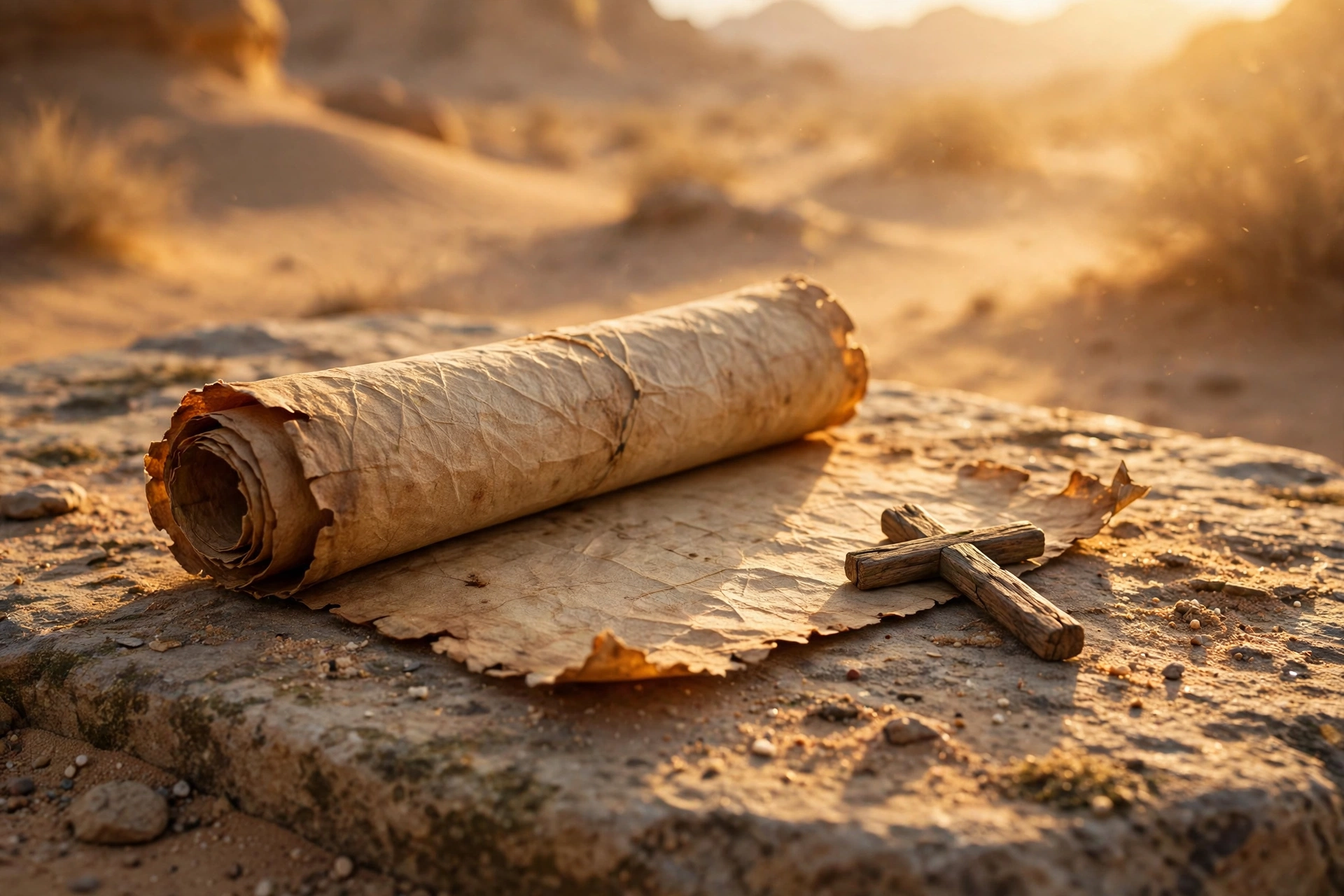
Old Testament names are Hebrew names from the first 39 books of the Bible, belonging to patriarchs, prophets, kings, and families of ancient Israel. Examples include Abraham, Sarah, Moses, David, Esther, and Elijah. These names often carry meanings about God’s character, answered prayer, or a person’s destiny, making them timeless choices for parents today.

The Old Testament is the Bible’s first and longest section — 39 books written over roughly a thousand years — and it is crowded with names. From Adam, the first man, to Malachi, the last prophet, these names belong to real people who walked with God, wrestled with Him, failed Him, and were restored by Him.
Because these names come from ancient Hebrew, most of them carry meanings that tell a story. Abraham means “father of a multitude,” spoken as a promise before he had the promised son. Hannah means “grace,” the name of a mother who prayed through tears until God answered. When you learn what Old Testament names mean, the stories behind them open up in a new way.
In this guide, you will find what Old Testament names are, how they differ from New Testament names, long lists of boy and girl names with meanings, rare names worth rediscovering, pronunciation help, and key Bible verses. Whether you are choosing a baby name or studying Scripture, you will find names that still speak today.
What Are Old Testament Names?
Old Testament names are the personal names found in the 39 books of the Old Testament, from Genesis to Malachi. Nearly all of them come from ancient Hebrew, with a few from Aramaic and other ancient languages, and they belong to the patriarchs, matriarchs, prophets, kings, judges, priests, and ordinary families of Israel’s story.
The Hebrew Roots of Old Testament Names
Hebrew names usually describe something — a circumstance of birth, a prayer answered, or a hope for the future. Isaac means “laughter,” because Sarah laughed when God promised her a son in her old age. Samuel means “God has heard,” because Hannah asked the Lord for him. Many names even carry God’s own name inside them — Elijah means “my God is Yahweh” and Daniel means “God is my judge.” To see how these divine-name patterns work, explore our guide to the names of God in the Bible.
Why Old Testament Names Still Matter
These names have been in continuous use for more than three thousand years. Noah, Elijah, Caleb, Hannah, Abigail, and Esther appear on modern birth certificates every year because their meanings and stories still inspire parents. An Old Testament name connects a child to a long line of faith — a heritage older than any family tree.
Old Testament Names vs. New Testament Names
People often mix these up, so here is the simple difference. Old Testament names come from the Hebrew Scriptures — the 39 books written before Jesus was born. New Testament names come from the 27 books written after His birth, and many are Greek forms of older Hebrew names: James is the Greek form of Jacob, and John comes from Johanan.
The “39 Names” Question, Answered
One of the most common questions is, “What are the 39 names of the Old Testament?” The answer is that 39 is the number of books in the Old Testament, not the number of names. Genesis, Exodus, Leviticus, and the rest make 39 books — but the personal names inside them run into the thousands. There is no official list of 39 names; the number belongs to the books.
How Naming Patterns Changed
In the Old Testament, names were often given at birth to mark an event — Esau for his hairy appearance at birth, Perez meaning “breaking through.” By New Testament times, naming followed more settled family customs, though meanings still mattered: Jesus means “Yahweh saves,” and Barnabas means “son of encouragement.” The Old Testament remains the richer field for parents hunting for deeply meaningful names.
Popular Old Testament Boy Names and Their Meanings
These Old Testament boy names have stayed beloved for centuries — and many are climbing the charts again today. Each one carries a meaning rooted in Scripture.
- Adam — man, mankind
- Noah — rest, comfort
- Abraham — father of a multitude
- Isaac — laughter
- Jacob — supplanter, later renamed Israel, “prince with God”
- Joseph — may God add
- Moses — drawn out
- Joshua — Yahweh is salvation
- Caleb — wholehearted, faithful
- David — beloved
- Solomon — peace
- Elijah — my God is Yahweh
- Elisha — my God is salvation
- Isaiah — Yahweh is salvation
- Daniel — God is my judge
- Ezra — help
- Nehemiah — Yahweh comforts
- Samuel — God has heard
- Jonathan — Yahweh has given
- Gideon — mighty warrior
For a moving example of how one man can carry two names and two identities, read our story of Jacob in the Bible, the supplanter who wrestled with God and became Israel.
Beautiful Old Testament Girl Names and Their Meanings
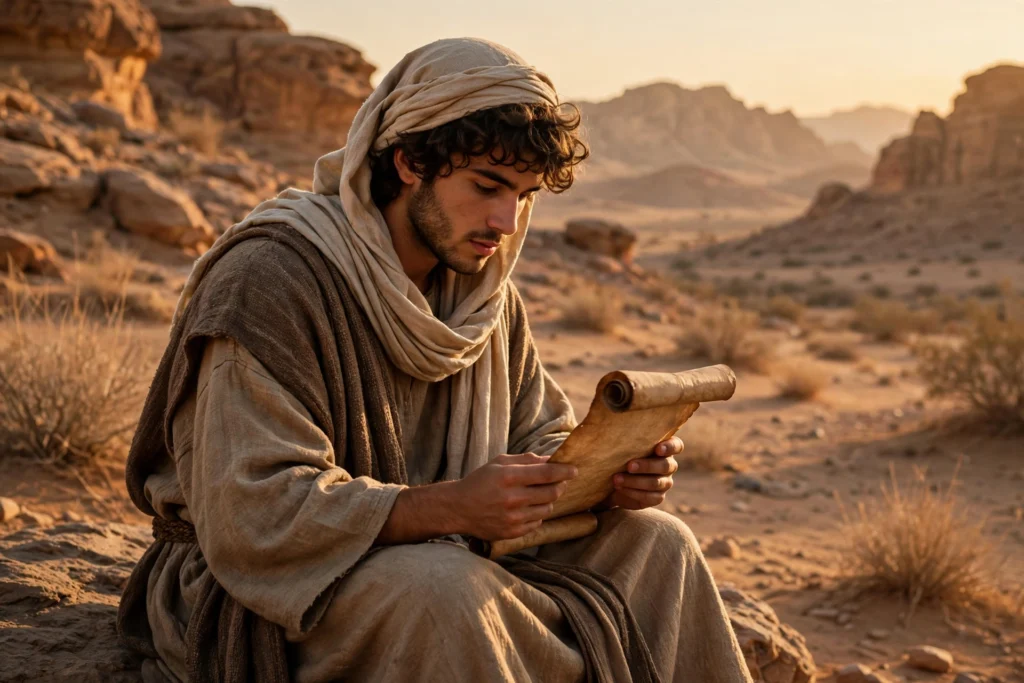
The women of the Old Testament bore names as strong as their stories. These Old Testament girl names blend beauty with deep meaning.
- Eve — life, the living
- Sarah — princess
- Rebekah — to bind, captivating
- Rachel — ewe, lamb
- Leah — weary, yet the mother of Judah’s royal line
- Miriam — bitterness, borne by Moses’ brave sister
- Deborah — bee, the prophetess and judge
- Ruth — friend, companion
- Naomi — pleasantness
- Hannah — grace, favor
- Abigail — my father’s joy
- Esther — star
- Judith — woman of Judea
- Dinah — judged, vindicated
- Tamar — palm tree
- Keziah — cassia, a sweet spice
Rare and Uncommon Old Testament Names Worth Knowing
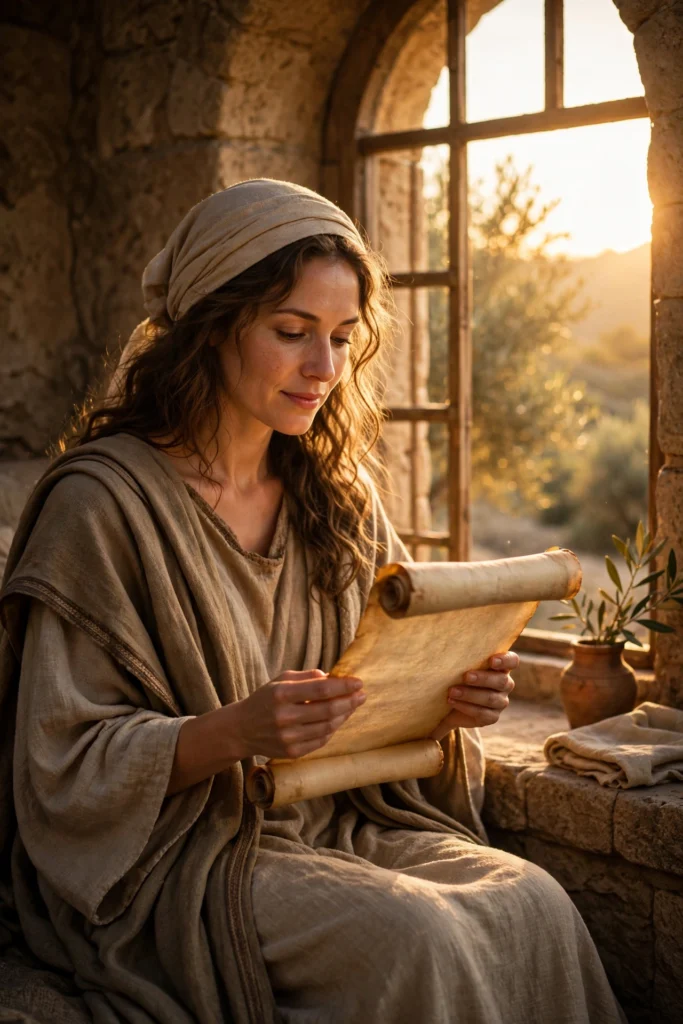
Beyond the familiar favorites, the Old Testament hides rare gems that few children share on the playground. These uncommon names carry striking meanings and stories.
- Jedidiah — beloved of Yahweh, the name God Himself gave Solomon
- Jabez — sorrow, yet his bold prayer in 1 Chronicles 4:10 is famous
- Obadiah — servant of Yahweh
- Zephaniah — Yahweh has hidden
- Habakkuk — embrace
- Malachi — my messenger
- Othniel — lion of God, Israel’s first judge
- Ehud — united
- Tirzah — pleasing, delightful
- Atarah — crown
- Jemima — dove, Job’s eldest daughter after his restoration
- Mehetabel — God makes happy
How to Pronounce Old Testament Names
Long Hebrew names can look intimidating on the page, but most follow simple patterns. The stress usually falls on the last or next-to-last syllable, and nearly every vowel is pronounced — there are no silent letters the way English has.
Try these aloud, syllable by syllable: Mahershalalhashbaz (may-her-shal-al-HASH-baz), Nebuchadnezzar (neb-yoo-kud-NEZ-er), Zerubbabel (zeh-RUB-ah-bel), Jehoshaphat (jeh-HOSH-ah-fat), Mephibosheth (meh-FIB-oh-sheth), Hephzibah (HEF-zi-bah). Said slowly, even the longest names quickly feel natural — and getting them right honors the people who bore them.
Bible Verses About Old Testament Names
Scripture itself shows how seriously God takes names. He renamed Abram to Abraham and Jacob to Israel at turning points in their lives, and He gave Moses His own memorial name at the burning bush.
“Neither shall thy name any more be called Abram, but thy name shall be Abraham; for a father of many nations have I made thee.” — Genesis 17:5 (KJV)
“And he said, Thy name shall be called no more Jacob, but Israel: for as a prince hast thou power with God and with men, and hast prevailed.” — Genesis 32:28 (KJV)
“And God said moreover unto Moses, Thus shalt thou say unto the children of Israel, The LORD God of your fathers, the God of Abraham, the God of Isaac, and the God of Jacob, hath sent me unto you: this is my name for ever, and this is my memorial unto all generations.” — Exodus 3:15 (KJV)
“A good name is rather to be chosen than great riches, and loving favour rather than silver and gold.” — Proverbs 22:1 (KJV)

Frequently Asked Questions About Old Testament Names
What are the 39 names of the Old Testament?
There are no “39 names” — 39 is the number of books in the Old Testament, from Genesis to Malachi. The personal names inside those books number in the thousands, including patriarchs, prophets, kings, and families. If you meant the books themselves, they begin with Genesis, Exodus, Leviticus, Numbers, and Deuteronomy.
What is the most popular Old Testament name today?
For boys, Noah and Elijah have topped modern baby-name charts in recent years, with Liam’s popularity also tracing back to biblical roots through William. For girls, Abigail, Hannah, and Esther remain enduring favorites. These names endure because their meanings — rest, my God is Yahweh, father’s joy, grace, star — still resonate with parents.
What are some uncommon names in the Old Testament?
Uncommon choices include Jedidiah (beloved of Yahweh), Othniel (lion of God), Tirzah (pleasing), Keziah (cassia), Mehetabel (God makes happy), and Habakkuk (embrace). They are genuinely biblical yet rare on modern playgrounds, giving a child a distinctive name with deep roots.
What are powerful Old Testament boy names?
Powerful options include David (beloved king), Elijah (the prophet who called down fire from heaven), Gideon (mighty warrior), Caleb (wholehearted), and Samson (like the sun). Each name recalls a man known for courage, strength, or wholehearted devotion to God.
What are beautiful Old Testament girl names?
Beautiful choices include Esther (star), Abigail (my father’s joy), Hannah (grace), Ruth (friend), and Sarah (princess). These names pair lovely sounds with stories of brave, faithful women.
Which Old Testament name means “gift from God”?
Jonathan means “Yahweh has given” and is often understood as “gift of God.” Nathan, meaning “he gave,” and Matthew — the Greek form of the Hebrew Mattithiah, “gift of Yahweh” — carry the same idea of a child received as a gift from the Lord.
Are Old Testament names the same as Hebrew names?
Nearly all of them, yes. The Old Testament was written mostly in ancient Hebrew, so its personal names are Hebrew names — Adam, Sarah, David, Miriam. A small number come from Aramaic, Egyptian (like Moses), or Persian (like Esther), reflecting the world Israel lived in.
What is the longest name in the Old Testament?
The longest is Mahershalalhashbaz, the son of the prophet Isaiah, named in Isaiah 8:1-3. It means “swift is the spoil, speedy is the prey” and announced God’s coming judgment. It is also the longest personal name in the entire Bible.
What Old Testament names are still popular today?
Noah, Elijah, Ethan, Caleb, Levi, Ezra, and Asher rank high for boys, while Hannah, Sarah, Leah, Abigail, and Esther remain popular for girls. Their staying power comes from simple sounds, strong meanings, and stories parents love to retell.
How do I choose an Old Testament name for my baby?
Start with meaning — pick a truth you want spoken over your child for life. Then say the name aloud with your surname, check the story of the person who bore it in Scripture, and consider how it shortens into nicknames. A name like Caleb (wholehearted) or Hannah (grace) carries both beauty and a blessing.
Conclusion
Old Testament names are far more than ancient labels — they are tiny testimonies. Each one remembers a promise God made, a prayer He answered, or a truth about who He is. From the beloved David to the star-like Esther, these names have carried faith across more than three thousand years, and they are ready for the next generation.
Take your time, say the names aloud, and look up the stories behind your favorites. If you love uncovering the meaning tucked inside a name, our guide to the biblical meaning of William shows how even a modern name can echo Scripture. The right Old Testament name is waiting — one with a meaning your family will treasure.

I’m Emma, an AI content writer with 4 years of experience creating heartfelt prayers, Bible-based messages, blessings, and inspiring faith-filled content.