
The name Tristan carries a deep and fascinating story that goes far beyond a simple label. It connects history, faith, and spiritual meaning powerfully. Understanding this name can open a whole new world of biblical and cultural wisdom.
Many people are drawn to the name Tristan without fully knowing its rich spiritual background. This article digs into the roots, symbolism, and biblical connections of the name Tristan. By the end, you will see why this name holds such special meaning for so many families.
What Does the Name Tristan Mean?
Tristan is widely believed to mean “noise,” “tumult,” or “outcry” in its oldest form. Some scholars also connect it to the idea of “sadness” or “sorrow,” rooted in the Latin word tristis. These meanings paint a picture of a name full of emotional depth and spiritual weight.
Etymology and Historical Origins of Tristan
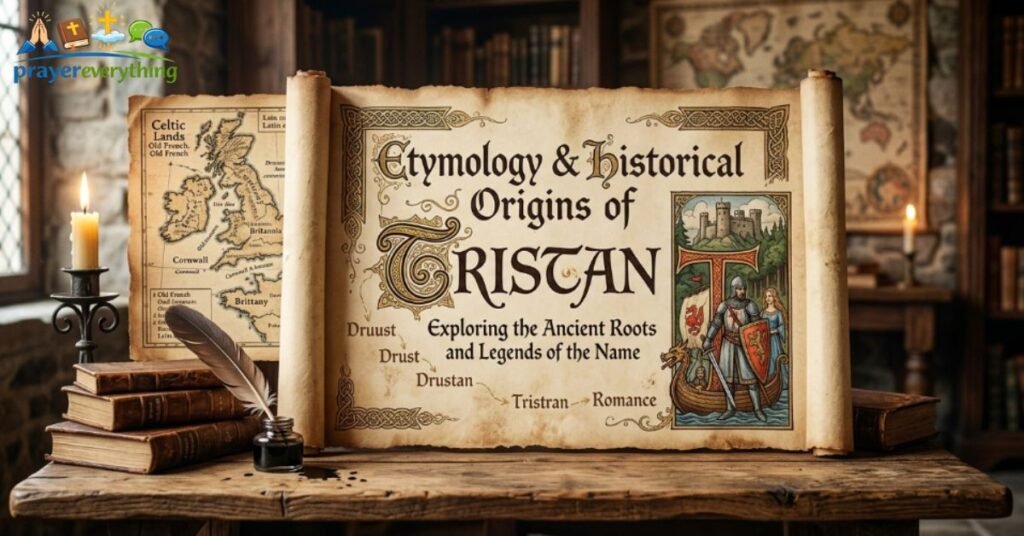
The name Tristan has a long history spanning several languages and cultures. It is most commonly linked to the Celtic word Drust or Drustan, which means “riot” or “tumult.” Over time, it blended with the Latin word tristis, giving it a dual meaning of sorrow and strength.
| Language | Root Word | Meaning |
| Celtic | Drust / Drustan | Noise, tumult |
| Latin | Tristis | Sadness, sorrow |
| Old French | Tristan | Beloved, sorrowful knight |
| Medieval English | Tristan / Tristram | Knight of legend |
Is Tristan Mentioned in the Bible?
Tristan does not appear directly in the Bible as a name. However, the meanings of sorrow, strength, and spiritual struggle connect deeply with many biblical themes. The Bible is full of figures who walked through pain and sorrow before finding God’s purpose.
Spiritual Significance of the Name Tristan
The spiritual meaning of Tristan ties to the idea that sorrow can lead to growth and faith. In many Christian traditions, suffering is seen as a path to a deeper relationship with God. The name Tristan quietly carries this powerful spiritual message within it.
Key spiritual themes connected to Tristan include:
- Strength through suffering
- Trials test faith
- Spiritual transformation through hardship
- God’s purpose revealed through pain
- Hope rising from sorrow
Christian Symbolism and Faith Connections
Christianity has long taught that sorrow and struggle are not signs of weakness but of spiritual depth. The meaning of Tristan aligns perfectly with scriptures such as Psalm 34:18, which says that God is close to the brokenhearted. This gives the name a quietly powerful place within the Christian faith.
The name also connects to the idea of a warrior of faith, someone who faces life’s storms but never loses belief. Many Christian families choose Tristan because it reflects a soul that is both tender and strong.
Tristan in Biblical History and Tradition
While Tristan is not a Hebrew biblical name, its themes echo throughout the Old and New Testaments. Biblical figures such as Job, David, and Jeremiah all experienced deep sorrow yet remained faithful to God. Tristan’s meaning of “tumult and sorrow” closely mirrors their spiritual journeys.
Characters in the Bible who share Tristan’s spiritual themes:
- Job — suffered greatly but never lost faith
- David faced war, loss, and personal failure
- Jeremiah — known as the “weeping prophet” of sorrow
- Paul — endured hardship to spread God’s word
- Joseph went through pain before reaching his purpose
The Origin of Tristan in Celtic and Christian Culture
The name Tristan first became famous through the medieval legend of Tristan and Isolde, a story of love, loyalty, and tragedy. This legend spread across Christian Europe and was deeply influenced by the spiritual and moral values of the time. The story carried themes of sacrifice and devotion that resonated with Christian audiences.
Celtic cultures believed names held spiritual power and reflected a person’s destiny. When Tristan entered Christian culture, it brought with it a sense of nobility, sacrifice, and deep emotional faith. This made it a beloved name across both religious and royal families in Europe.
Biblical Names Similar to Tristan
If you love the feel of the name Tristan but want something more directly biblical, there are several great options to consider. These names share a similar spirit of strength, sorrow, and spiritual depth.
| Name | Biblical Origin | Meaning |
| Tristram | Medieval Christian | Sorrow, outcry |
| Tobias | Hebrew Bible | God is good |
| Josiah | Old Testament | God supports |
| Thaddeus | New Testament | Courageous heart |
| Simeon | Old Testament | He has heard |
| Nathaniel | New Testament | Gift of God |
Why Parents Choose Tristan: A Biblical Perspective

Many Christian parents today choose the name Tristan because it blends modern appeal with deep spiritual meaning. The name feels strong, classic, and meaningful without being outdated. It tells a story of a soul who is sensitive, faithful, and built for purpose.
From a biblical perspective, a name that carries the idea of sorrow and strength is actually a blessing. The Bible teaches that those who mourn are comforted, and those who suffer often become the most powerful witnesses of God’s grace. Tristan carries all of that quietly within its meaning.
Tristan Name Meaning in Hebrew and Greek
In Hebrew thought, the concept behind Tristan’s meaning relates to words such as “za’aq,” which means”r a cry to “God. This is the same word used in the Bible when the Israelites cried out to God during their suffering in Egypt. It is a word of desperate faith and divine response.
In Greek, similar themes are connected to “lype,” meaning grief or sorrow, a word used by Paul in 2 Corinthians 7:10 when he writes about godly sorrow that leads to repentance. This gives Tristan’s meaning a deeply New Testament spiritual tone as well.
The Cultural and Religious Impact of the Name Tristan
Tristan has left a lasting mark on Western culture and Christian tradition alike. From medieval literature to modern baby name lists, it has never fully gone out of style. Its mix of romance, strength, and spiritual depth keeps it relevant across generations.
In religious communities, the name is seen as one that reflects a soulful and thoughtful character. It suggests someone who feels things deeply, wrestles with big questions, and ultimately finds their way through faith. That kind of identity is something many Christian families want to pass on to their children.
What the Bible Teaches About Names and Identity
The Bible places enormous importance on names and what they represent. In scripture, names are not just labels — they are declarations of destiny and character. God even changed names, such as Abram to Abraham and Jacob to Israel, to reflect a new spiritual identity.
Key Bible truths about names:
- Names reflect God’s calling on a person’s life
- A name can carry prophetic meaning
- God knows every person by name (Isaiah 43:1)
- Names in scripture often describe character or mission
- Choosing a meaningful name is an act of spiritual intention
Conclusion
The name Tristan may not appear in the pages of the Bible, but its spiritual meaning runs deep through biblical truth. It speaks of sorrow turned into strength, of a soul that cries out to God and finds purpose through the struggle. That is a story the Bible tells over and over again.
Choosing the name Tristan for a child is choosing a name with heart, history, and faith behind it. It is a name that says life will not always be easy, but with God, every season of sorrow leads somewhere beautiful. That is a powerful truth to carry through an entire lifetime.
Frequently Asked Questions
1. What does the name Tristan mean in the Bible?
The name Tristan is not found directly in the Bible, but it carries spiritual symbolism rooted in Celtic origin, meaning “noise” or “tumult,” often interpreted spiritually as a soul shaped through trials and transformation — a theme deeply woven throughout Scripture.
2. Is the name Tristan mentioned anywhere in the Bible or biblical texts?
Tristan does not appear in the Bible by name, but its spiritual themes of suffering, resilience, and redemption closely mirror biblical narratives like those of Job, David, and Paul.
3. What is the spiritual meaning of the name Tristan for Christian parents choosing a baby name?
For Christian parents, Tristan spiritually represents a warrior of faith who overcomes sorrow — reflecting the biblical truth that God refines His people through hardship, as seen in Romans 5:3–4.
4. Where does the name Tristan originally come from, and how does it connect to spiritual roots?
Tristan originates from the Celtic name Drustan or the Latin Tristanus, meaning “tumult” or “sadness,” and its spiritual roots connect to the biblical idea that sorrow can be a divine pathway to growth and deeper faith.
5. What Hebrew or biblical symbolism can be linked to the name Tristan?
While Tristan has no direct Hebrew equivalent, it resonates with the Hebrew concept of Tzarah (trouble or distress), which in Scripture is often the very place where God’s grace and strength are most powerfully revealed.
6. Does the name Tristan have any meaning related to God, faith, or prayer in a biblical sense?
Yes, in a biblical sense, Tristan symbolizes a faith journey marked by trials — echoing Psalm 34:18, which says God is close to the brokenhearted, making the name spiritually significant for those who walk through difficulty with trust in God.
7. What is the personality and spiritual character associated with the biblical meaning of the name Tristan?
People named Tristan are spiritually associated with strength through suffering, deep empathy, and courage — character traits celebrated throughout the Bible in figures like Joseph, who endured great pain before fulfilling his God-given purpose.
8. How can the meaning of the name Tristan inspire a child’s Christian faith and identity?
The meaning of Tristan teaches children that sorrow and struggle are not signs of God’s absence but of His refining work — a powerful faith foundation rooted in scriptures like James 1:2–4, which calls believers to find joy in trials.
9. Is Tristan considered a saint’s name or does it have any connection to Christian saints or church history?
Tristan is not an officially canonized saint’s name in mainstream Christianity, but in Celtic Christian tradition, its legend carries themes of love, sacrifice, and spiritual longing that resonate with Christian ideals of selfless devotion.
10. What does the name Tristan mean spiritually for someone looking for God’s purpose in their name?
Spiritually, the name Tristan reminds us that God can take our deepest sorrows and transform them into purpose — reflecting the biblical promise of Isaiah 61:3, turning “mourning into gladness” and ashes into beauty.

I’m Emma, an AI content writer with 4 years of experience creating heartfelt prayers, Bible-based messages, blessings, and inspiring faith-filled content.